TWO-DAY WORKSHOP ON LIVESTOCK DISEASE REPORTING, and EMERGENCY MANAGEMENT
two-day capacity-building workshop on “Building a Responsive Local Government Framework for Livestock Disease Reporting and Emergency Management” has been held in Maiduguri, the Borno State capital.
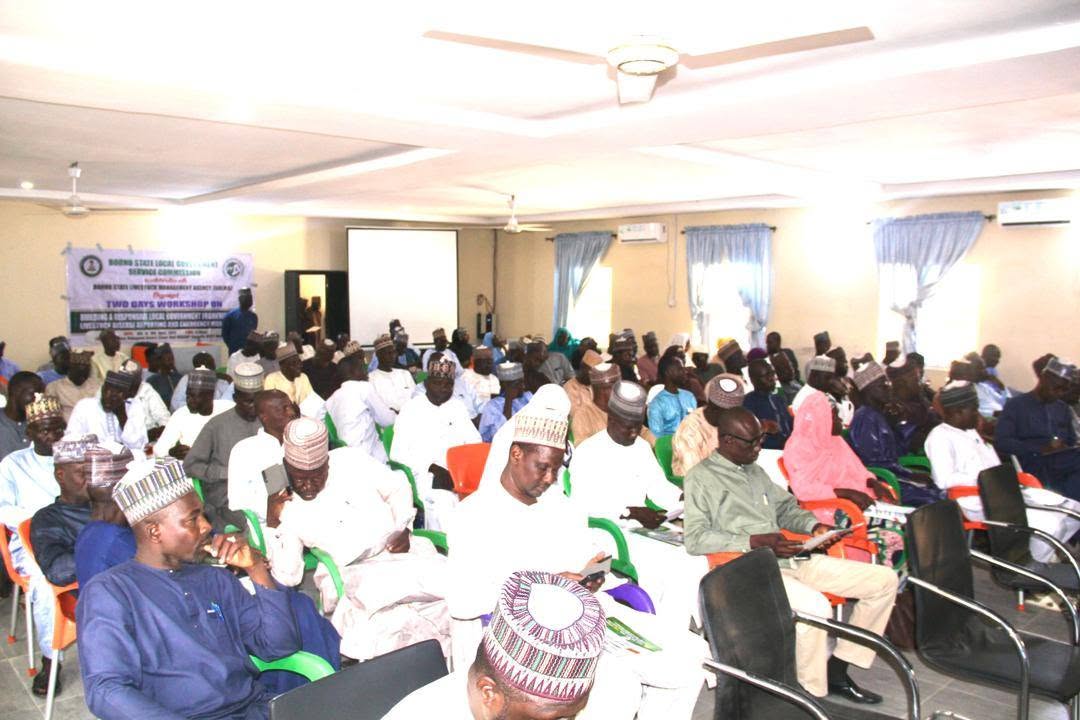
The workshop was jointly organised by the Borno State Local Government Service Commission in collaboration with the Borno State Livestock Management Agency (BOLMA), and took place at the Prof. Babagana Umara Zulum Hall, BOSADP Complex.
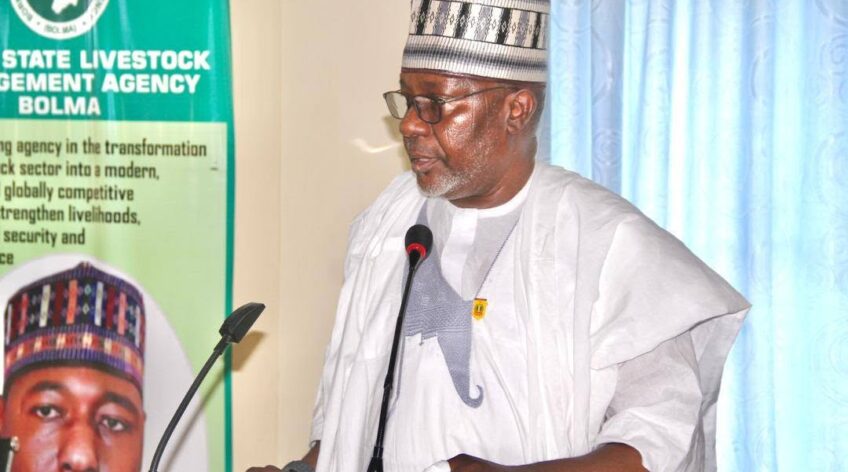
In his welcome address, the Director General of BOLMA, Dr. Bukar Ali Usman, mni, described the engagement as timely, noting that the livestock sector in Borno State continues to receive strong support from the State Governor, Professor Babagana Umara Zulum.
He highlighted ongoing efforts aimed at improving food security, economic recovery, and sustainable livelihoods through livestock development initiatives.
Dr. Usman disclosed that the state is set to embark on breed improvement programmes across all Local Government Areas, while also opening opportunities for investors across the livestock value chain, particularly in feed and fodder production, as well as emerging red meat projects.
He emphasised that livestock diseases remain a major threat to productivity and public health, underscoring the need for strengthened grassroots systems for disease surveillance, reporting, and emergency response.
According to him, the workshop is designed to equip participants, especially local government livestock and veterinary officers, with practical knowledge on early detection, reporting mechanisms, and outbreak response strategies.
He also revealed plans to establish a dedicated WhatsApp coordination platform to enhance real-time communication and collaboration across the state.
Declaring the workshop open, the Chairman of the Local Government Service Commission, Alhaji Modu Alhaji Musa, represented by Engr. Mala Garba Barma, Permanent Commissioner III, commended BOLMA for organising the timely training programme.
He noted that the initiative aligns with the Borno State Government’s priorities of revitalising the livestock sector and strengthening institutional capacity at the grassroots.
He described the livestock sector as a key driver of economic growth and a vital source of livelihood for many citizens, while acknowledging persistent challenges in disease surveillance, timely reporting, and coordinated emergency response.
He stressed that participants, drawn from all 27 Local Government Areas, play a critical frontline role in detecting and managing livestock diseases.
The Chairman further reiterated the Commission’s commitment to continuous capacity development through regular training and retraining of local government staff.
He also encouraged participants to pursue further education, assuring that the Commission provides support, including tuition sponsorship, for staff admitted into accredited tertiary institutions in line with its policy guidelines.
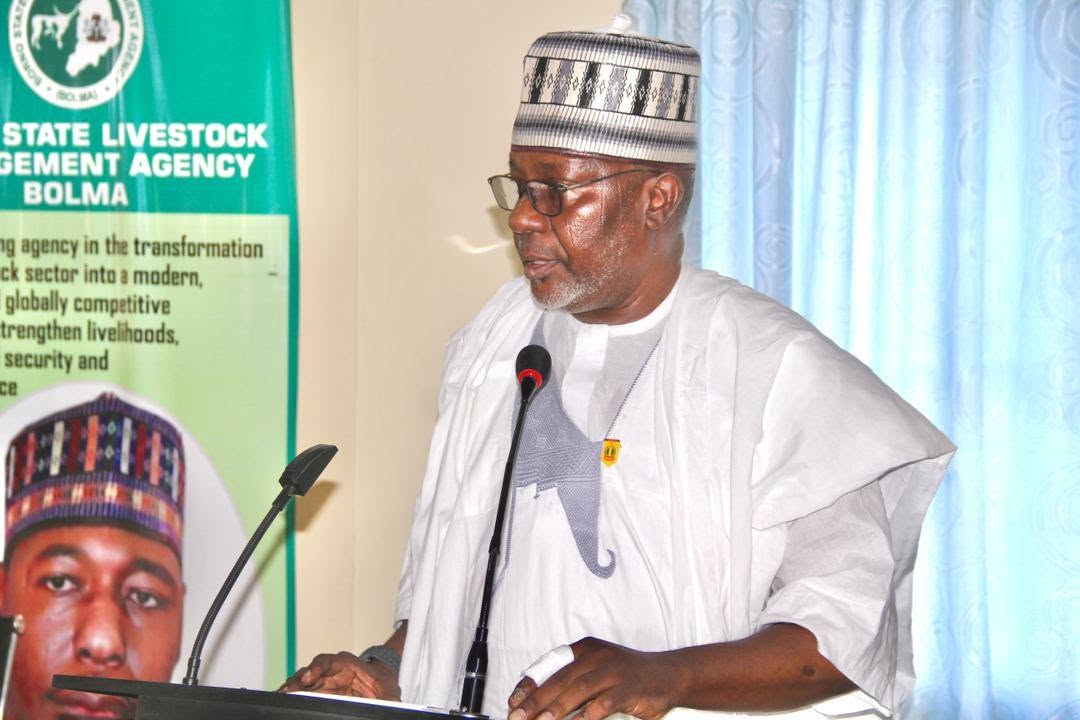
Similarly, the Special Adviser on Livestock to the Governor and the Permanent Secretary of the Local Government Service Commission, Hajiya Aisa Umara, described the workshop as essential in strengthening local capacity for disease reporting and emergency management.
They reaffirmed the importance of the livestock sector in ensuring food security and sustaining livelihoods.
One of the participants, Baba Kaumi Ali, commended the organisers and expressed optimism that the knowledge acquired would significantly improve livestock disease reporting and emergency response at the local level.
The workshop featured technical sessions and paper presentations on common livestock diseases, disease surveillance and monitoring systems, as well as reporting and emergency management strategies.
Goodwill messages were delivered by development partners and stakeholders, including FAO, ICRC, GIZ, NEDC, the Nigerian Veterinary Medical Association (NVMA), and members of the press.
Speaking in an interview, the Director General of BOLMA stated that the workshop is expected to strengthen collaboration among stakeholders and enhance the effectiveness of livestock disease surveillance and emergency management systems across Borno State, particularly by improving timely disease reporting from local government areas.
Similarly, the Special Adviser on Livestock to the Governor and the Permanent Secretary of the Local Government Service Commission, Hajiya Aisa Umara, described the workshop as essential in strengthening local capacity for disease reporting and emergency management.
They reaffirmed the importance of the livestock sector in ensuring food security and sustaining livelihoods.
One of the participants, Baba Kaumi Ali, commended the organisers and expressed optimism that the knowledge acquired would significantly improve livestock disease reporting and emergency response at the local level.
The workshop featured technical sessions and paper presentations on common livestock diseases, disease surveillance and monitoring systems, as well as reporting and emergency management strategies.
Goodwill messages were delivered by development partners and stakeholders, including FAO, ICRC, GIZ, NEDC, the Nigerian Veterinary Medical Association (NVMA), and members of the press.
Speaking in an interview, the Director General of BOLMA stated that the workshop is expected to strengthen collaboration among stakeholders and enhance the effectiveness of livestock disease surveillance and emergency management systems across Borno State, particularly by improving timely disease reporting from local government areas.